
Essential Home Upgrades for Elderly Safety
- MEDAccess Inc.

- Nov 24, 2025
- 3 min read
As people age, their homes need to adapt to ensure safety, comfort, and independence. Making thoughtful changes can prevent accidents and make daily living easier. This guide covers essential home upgrades for seniors to create a secure environment.
Key Elderly Home Upgrades to Enhance Safety
Upgrading a home for elderly safety involves addressing common hazards and improving accessibility. Here are some critical areas to focus on:
1. Improve Lighting
Good lighting reduces the risk of falls and helps seniors see clearly. Consider installing brighter bulbs, adding night lights in hallways and bathrooms, and using motion-sensor lights for convenience.
2. Install Grab Bars and Handrails
Bathrooms and stairways are high-risk areas. Secure grab bars near toilets, showers, and tubs. Handrails on both sides of the stairs provide extra support.
3. Non-Slip Flooring
Replace slippery surfaces with non-slip materials. Use non-slip mats in bathrooms and kitchens. Avoid loose rugs or secure them with double-sided tape.
4. Stair and Step Modifications
If stairs are unavoidable, ensure they have sturdy handrails and are well-lit. Consider stairlifts or ramps for easier access.
5. Bathroom Safety Upgrades
Walk-in showers with seats, handheld showerheads, and raised toilet seats improve comfort and reduce strain.
6. Clear Pathways
Remove clutter and furniture that block walking paths. Wide, clear pathways help prevent trips and allow for mobility aids like walkers or wheelchairs.
How to Make a Home More Elderly Friendly?
Making a home elderly friendly means focusing on accessibility, comfort, and safety. Here are practical steps to achieve this:
1. Doorway and Hallway Adjustments
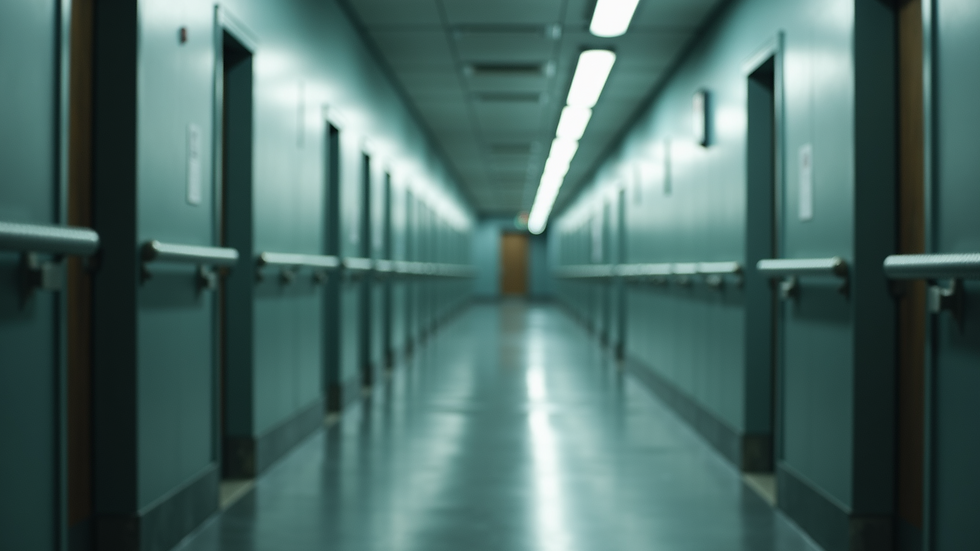
Widen doorways to accommodate wheelchairs or walkers. Ensure hallways are free of obstacles and wide enough for easy navigation.
2. Kitchen Modifications
Lower countertops and cabinets for easier reach. Use appliances with straightforward controls and transparent displays. Install lever-style faucets instead of knobs.
3. Bedroom Safety
Place the bed at a height that makes getting in and out easy. Use nightstands with sturdy lamps and keep essential items within reach.
4. Emergency Preparedness
Install emergency call buttons or wearable alert devices. Keep phones accessible in every room.
5. Smart Home Technology
Voice-activated assistants can control lights, thermostats, and locks. Automated systems improve convenience and safety.
6. Furniture Arrangement
Arrange furniture to create open spaces and reduce sharp edges. Use chairs with armrests to assist with sitting and standing.

Practical Tips for Elderly Home Upgrades
When planning upgrades, consider these actionable recommendations:
Start with a Safety Assessment: Walk through the home to identify hazards. Consult professionals if needed.
Prioritize High-Risk Areas: Focus on bathrooms, stairs, and kitchens first.
Use Durable Materials: Choose materials that are easy to clean and maintain.
Involve the Elderly Resident: Get their input to ensure changes meet their needs.
Budget Wisely: Some upgrades are affordable and straightforward, while others may require professional installation.
Regular Maintenance: Keep all safety features in good condition.
For more detailed guidance and professional assistance, explore options for elderly home modifications that can be tailored to individual needs.
Benefits of Investing in Elderly Home Upgrades
Upgrading a home for elderly safety offers many advantages:
Reduced Risk of Falls and Injuries
Falls are a leading cause of injury among seniors. Safety upgrades significantly lower this risk.
Increased Independence
Modifications allow seniors to perform daily tasks without constant help.
Enhanced Comfort
Ergonomic designs and accessible features improve quality of life.
Peace of Mind for Families
Knowing the home is safe provides reassurance to loved ones.
Potential Cost Savings
Preventing accidents can reduce medical expenses and delay the need for assisted living.
Planning Your Elderly Home Upgrade Project
To ensure a successful upgrade, follow these steps:
Assess Needs and Priorities
Identify the most critical safety concerns and desired improvements.
Consult Experts
Work with occupational therapists, contractors, or home modification specialists.
Create a Budget and Timeline
Plan finances and schedule work to minimize disruption.
Choose Quality Products
Select reliable and tested safety equipment.
Implement Changes Gradually
Make upgrades in phases if necessary to avoid overwhelming the resident.
Evaluate and Adjust
After installation, monitor how well the changes work and make adjustments as needed.
By carefully planning and executing these upgrades, you can create a safer, more comfortable home environment for elderly residents.
Making thoughtful home upgrades for older people is essential for safety and well-being. With the proper modifications, seniors can enjoy their homes with confidence and independence. Whether it’s improving lighting, installing grab bars, or embracing innovative technology, every change counts toward a safer living space. For personalized solutions, consider professional, friendly assistance with MEDAccess Inc. to meet specific needs.


Comments