
Smart Accessibility with Rubber Ramps Features

Creating accessible environments is essential for ensuring everyone can move freely and safely. One of the most practical solutions for overcoming small elevation changes in homes, businesses, and public spaces is the use of ramps. Among the many options available, rubber ramp features stand out for their durability, ease of installation, and safety benefits. This article explores the advantages of rubber ramps, their key features, and how they contribute to smart accessibility.
Understanding Rubber Ramps Features
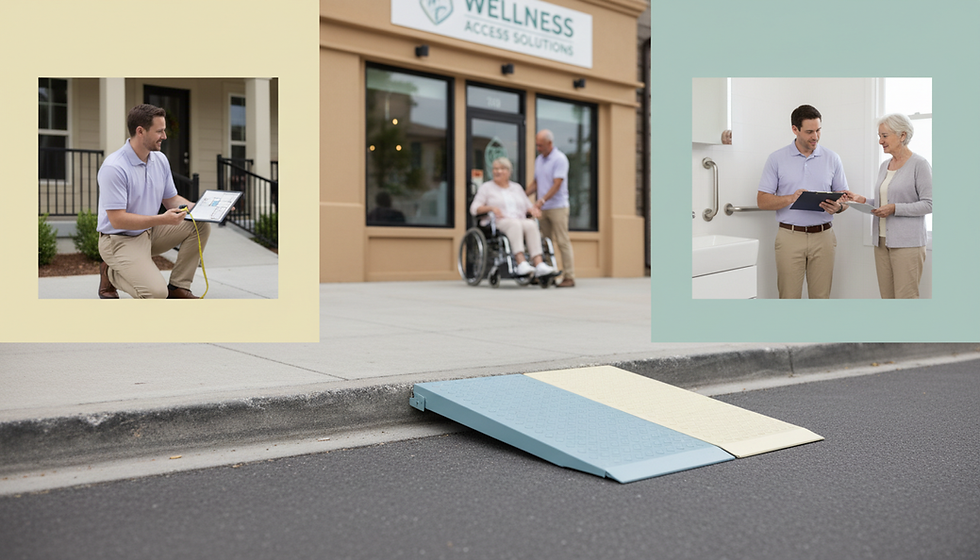
Rubber ramps are designed to provide smooth transitions over thresholds, curbs, and small steps. Their unique features make them an excellent choice for both indoor and outdoor use. Here are some of the most essential characteristics:
Durability: Made from high-quality rubber, these ramps resist wear and tear, weather conditions, and heavy foot or wheelchair traffic.
Non-slip Surface: The textured surface ensures traction, reducing the risk of slips and falls.
Flexibility: Rubber ramps conform to uneven surfaces, providing a stable, secure path.
Lightweight and Portable: Despite their strength, rubber ramps are relatively lightweight, making them easy to move and reposition.
Low Maintenance: They require minimal upkeep, usually just occasional cleaning with water and mild detergent.
These features make rubber ramps a wise investment for improving accessibility without compromising safety or aesthetics.

Practical Applications of Rubber Ramps Features
Rubber ramps are versatile and can be used in various settings to enhance accessibility. Here are some practical examples:
Residential Use: Homeowners can install rubber ramps at door thresholds, patios, or garages to facilitate wheelchair access
s or ease movement for those with mobility challenges.
Commercial Buildings: Businesses can use these ramps at entrances, restrooms, or between different floor levels to comply with accessibility regulations.
Public Spaces: Parks, libraries, and community centers benefit from rubber ramps by making their facilities more inclusive.
Temporary Solutions: Events or construction sites often require temporary ramps, and rubber ramps can be quickly deployed and removed.
By addressing small elevation changes, rubber ramps help create barrier-free environments that accommodate everyone.
Key Benefits of Rubber Threshold Ramps
When considering accessibility solutions, it is essential to understand the specific benefits that rubber threshold ramps offer:
Safety: The non-slip surface and gradual incline reduce the risk of accidents.
Cost-Effectiveness: Compared with custom-built ramps, rubber ramps are more affordable and easier to install.
Weather Resistance: Rubber materials withstand rain, snow, and UV exposure without degrading.
Aesthetic Appeal: Available in a range of colors and designs, they complement various architectural styles.
Compliance: They help meet ADA (Americans with Disabilities Act) accessibility standards.
For those looking to improve access quickly and efficiently, rubber threshold ramps provide a reliable solution that balances functionality and style.
MEDAccess offers custom-made ramps for ADA-required and non-ADA applications.

Installation Tips for Rubber Ramps Features
Installing rubber ramps is straightforward, but following best practices ensures maximum effectiveness:
Measure the Height: Accurately measure the height of the threshold or step to select the correct ramp size.
Choose the Right Slope: The ramp should have a gentle incline, ideally a 1:12 slope (1 inch of rise per 12 inches of length) to ensure ease of use.
Secure Placement: Place the ramp firmly against the threshold to prevent movement. Some models come with adhesive backing or can be fixed with screws.
Check for Obstructions: Ensure the ramp path is clear of debris or obstacles that could hinder mobility.
Regular Inspection: Periodically check the ramp for wear or damage and clean it to maintain grip.
Following these steps will help maintain a safe and accessible environment for all users.
Enhancing Accessibility with Smart Design Choices
Beyond the physical features of rubber ramps, wise design choices can further improve accessibility:
Color Contrast: Using ramps with contrasting colors helps visually impaired individuals identify elevation changes.
Modular Systems: Some rubber ramps come in modular sections, allowing customization for different heights and widths.
Edge Protection: Raised edges or side guards prevent wheels or feet from slipping off the ramp.
Integration with Other Accessibility Tools: Combining ramps with handrails or tactile indicators enhances overall safety.
By considering these design elements, property owners can create inclusive spaces that cater to diverse needs.
Final Thoughts on Rubber Ramps Features
Rubber ramps are a practical, durable, and cost-effective solution for improving accessibility in various environments. Their unique features, such as non-slip surfaces, weather resistance, and ease of installation, make them an excellent choice for overcoming small elevation changes. Whether for residential, commercial, or public use, investing in quality rubber ramps can significantly enhance mobility and safety.
By embracing innovative accessibility solutions like rubber ramps, communities can foster inclusivity and independence for all individuals.




Comments