
Why Aluminum Ramps Benefits Make Them a Top Choice

When it comes to accessibility solutions, choosing the right ramp is crucial. A well-designed ramp can significantly improve mobility and independence for individuals using wheelchairs or other mobility aids. Among the options available, aluminum ramps are a popular and practical choice. This article explores the benefits of aluminum ramps
make them a top choice for many users and caregivers.
The Advantages of Aluminum Ramps: Benefits
Aluminum ramps offer several advantages that make them highly desirable. First, aluminum is a lightweight material. This makes the ramps easy to transport, install, and store. Unlike heavier materials such as concrete or wood, aluminum ramps can be moved by one or two people without requiring special equipment.
Another key benefit is durability. Aluminum is resistant to rust and corrosion, so these ramps can withstand rain, snow, and other weather without deteriorating. This longevity ensures that the ramp remains safe and functional for years.
Additionally, aluminum ramps require minimal maintenance. Unlike wooden ramps that may require regular painting or sealing, aluminum ramps require only occasional cleaning to remove dirt and debris. This low maintenance requirement saves time and money over the ramp’s lifespan.
Finally, aluminum ramps are often designed with safety in mind. Many models feature non-slip surfaces and side rails to prevent accidents. These safety features provide peace of mind for users and caregivers alike.
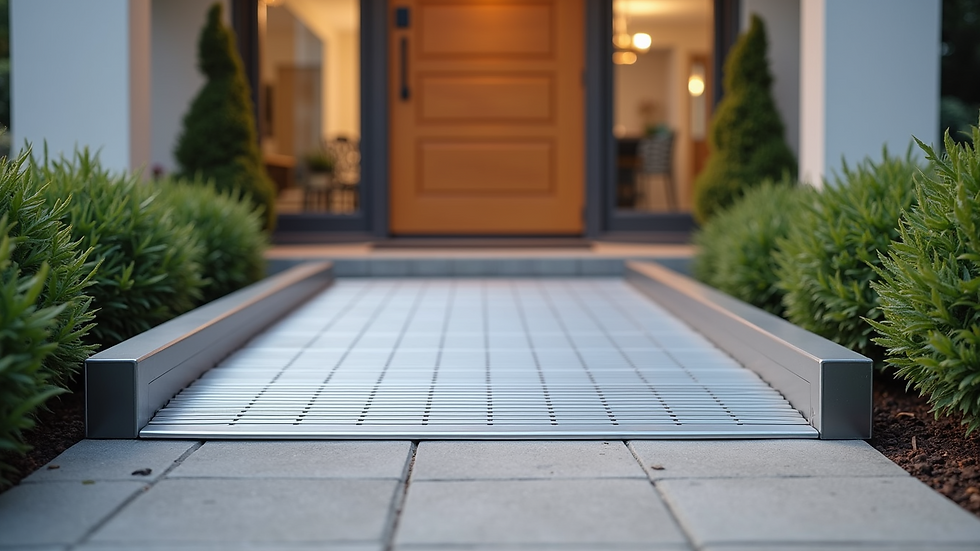
How Aluminum Ramps Benefit and Improve Accessibility
Accessibility is the primary goal of any ramp, and aluminum ramps excel in this area. Their lightweight design enables quick deployment in various settings, whether at home, in public spaces, or during travel. This flexibility means users can access different locations with ease.
The modular design of many aluminum ramps allows customization to fit specific needs. For example, ramps can be extended or shortened, and additional sections can be added to accommodate different heights and slopes. This adaptability ensures compliance with accessibility standards and user comfort.
Moreover, aluminum ramps often come with foldable or telescoping options, making them ideal for temporary use or transport in vehicles. This portability enhances independence for users who travel frequently or need ramps in multiple locations.
The smooth surface and gentle incline of aluminum ramps reduce the effort required to ascend or descend, which is especially important for manual wheelchair users or those with limited strength. This ergonomic design helps prevent fatigue and injury.

What is the Best Material for a Handicap Ramp?
Choosing the best material for a handicap ramp depends on several factors, including budget, location, usage frequency, and maintenance preferences. Common materials include wood, concrete, steel, and aluminum.
Wood: Wood ramps are often less expensive initially and can be customized easily. However, they require regular maintenance to prevent rot, splinters, and warping. Wood is also heavier and less durable in harsh weather.
Concrete: Concrete ramps are durable, low-maintenance, and permanent. They are costly to install and lack portability.
Steel: Steel ramps are strong and durable, but can be heavy and prone to rust if not properly treated. They require maintenance to prevent corrosion.
Aluminum: Aluminum ramps combine the best features of other materials. They are lightweight, rust-resistant, durable, and require minimal upkeep. Their portability and modularity make them suitable for both permanent and temporary use.
Given these considerations, aluminum is often the best material for handicap ramps, especially when balancing durability, ease of use, and maintenance.
Practical Tips for Choosing the Right Aluminum Ramp
Selecting the right aluminum ramp involves more than just picking a size. Here are some practical tips to ensure you get the best ramp for your needs:
Measure the Height: Accurately measure the vertical distance from the ground to the entry point. This measurement determines the ramp length needed to maintain a safe slope.
Check Weight Capacity: Ensure the ramp can support the user's weight plus the wheelchair or mobility device. Most aluminum ramps have clearly specified weight ratings.
Consider Portability: If you need a ramp for travel or temporary use, look for foldable or telescoping models that are easy to carry and store.
Look for Safety Features: Non-slip surfaces, side rails, and edge guards are essential for preventing accidents.
Verify Compliance: Ensure the ramp complies with applicable local accessibility codes and standards, including the Americans with Disabilities Act (ADA) guidelines.
Plan for Installation: Some ramps require professional installation, while the user can set up others. Choose based on your comfort and resources.
By following these tips, you can select an aluminum ramp that provides safe, reliable, and convenient access.
Maintenance and Longevity of Aluminum Ramps
One reason aluminum ramps are favored is their low maintenance requirements. To keep your ramp in optimal condition, follow these simple steps:
Regular Cleaning: Remove dirt, leaves, and debris from the ramp surface using a broom or hose. This prevents buildup that could cause slipping.
Inspect for Damage: Periodically check for dents, loose bolts, or other damage. Address any issues promptly to maintain safety.
Avoid Harsh Chemicals: Use mild soap and water for cleaning. Avoid abrasive cleaners that could damage the surface.
Store Properly: If the ramp is portable, store it in a dry place when not in use to extend its lifespan.
With proper care, aluminum ramps can last for many years, providing reliable accessibility without frequent replacement.
Enhancing Mobility with Aluminum Wheelchair Ramps
For those seeking a dependable and user-friendly solution, aluminum wheelchair ramps offer an excellent balance of strength, portability, and safety. Their design supports a wide range of mobility needs, from temporary access during travel to permanent installations at home or public venues.
By investing in an aluminum ramp, users gain greater confidence navigating their environment. Caregivers and facility managers also benefit from the ease of installation and minimal upkeep. Whether upgrading an existing setup or planning new accessibility features, aluminum ramps offer a sound, long-lasting option.
Choosing the right ramp can transform daily routines and improve quality of life. With their proven benefits, aluminum ramps remain a top choice for accessibility solutions worldwide.




Comments