
The Benefits of Rubber Threshold Ramps

When it comes to creating accessible environments, small changes can make a big difference. One such change is the installation of ramps at door thresholds. These ramps help bridge the gap between different floor levels, making it easier for people with mobility challenges to move around safely and independently. Among the various types of ramps available, rubber ramps stand out for their unique advantages. This article explores the benefits of rubber ramps and why they are an excellent choice for both residential and commercial spaces.
Understanding the Benefits of Rubber Ramps
Rubber ramps offer several practical benefits that make them a popular option for threshold transitions. Their design and material properties provide solutions to common accessibility challenges.
Durability and Weather Resistance
Rubber is a highly durable material that withstands heavy foot traffic and environmental conditions. Unlike wooden or metal ramps, rubber ramps do not rust, rot, or splinter. This makes them ideal for both indoor and outdoor use. They can endure rain, snow, and extreme temperatures without losing their structural integrity.
Long-lasting performance: Rubber ramps maintain their shape and strength over time.
Low maintenance: They require minimal upkeep, saving time and money.
Slip resistance: The textured surface of rubber ramps provides excellent traction, reducing the risk of slips and falls.
Easy Installation and Portability
Rubber ramps are lightweight compared to metal or concrete alternatives. This makes them easy to install without professional help. Many rubber ramps come with non-slip backing or adhesive strips to keep them securely in place.
Quick setup: No need for drilling or permanent fixtures.
Portable: Can be moved or repositioned as needed.
Versatile sizes: Available in various lengths and heights to fit different thresholds.

Rubber threshold ramp installed at doorway for smooth transition
Practical Applications of Rubber Ramps
Rubber ramps are used in a variety of settings to improve accessibility and safety. Here are some common scenarios where they prove beneficial:
Residential Use
Homeowners often face challenges with door thresholds that are too high for wheelchairs, walkers, or strollers. Rubber ramps provide a simple solution to these obstacles.
Entryways: Smooth the transition from porch to interior floor.
Bathroom thresholds: Help wheelchair users access showers or bathtubs.
Garage doors: Facilitate movement between garage and home.
Commercial and Public Spaces
Businesses and public facilities must comply with accessibility standards to accommodate all visitors. Rubber ramps help meet these requirements efficiently.
Retail stores: Provide easy access for customers with mobility aids.
Restaurants and cafes: Ensure entrances are barrier-free.
Schools and offices: Enhance safety and inclusivity for employees and students.
Temporary and Emergency Use
Rubber ramps are also useful in temporary situations where permanent ramps are not feasible.
Events and exhibitions: Create accessible pathways quickly.
Construction sites: Provide safe access over uneven surfaces.
Emergency evacuations: Facilitate smooth exits for individuals with disabilities.

Rubber ramp at commercial building entrance for accessibility
Why Choose Rubber Threshold Ramps Over Other Materials?
When selecting a ramp, material choice is crucial. Rubber threshold ramps offer distinct advantages compared to wood, metal, or concrete ramps.
Safety Features
Rubber ramps have a naturally non-slip surface that enhances safety, especially in wet or icy conditions. This reduces the likelihood of accidents.
Comfort and Noise Reduction
Rubber absorbs impact and vibrations, making it more comfortable to use. It also reduces noise from foot traffic or wheeled devices, which is beneficial in quiet environments like offices or libraries.
Environmental Considerations
Many rubber ramps are made from recycled materials, making them an eco-friendly option. Their long lifespan also means fewer replacements and less waste.
Cost-Effectiveness
While the initial cost of rubber ramps may be slightly higher than some alternatives, their durability and low maintenance needs make them more economical over time.

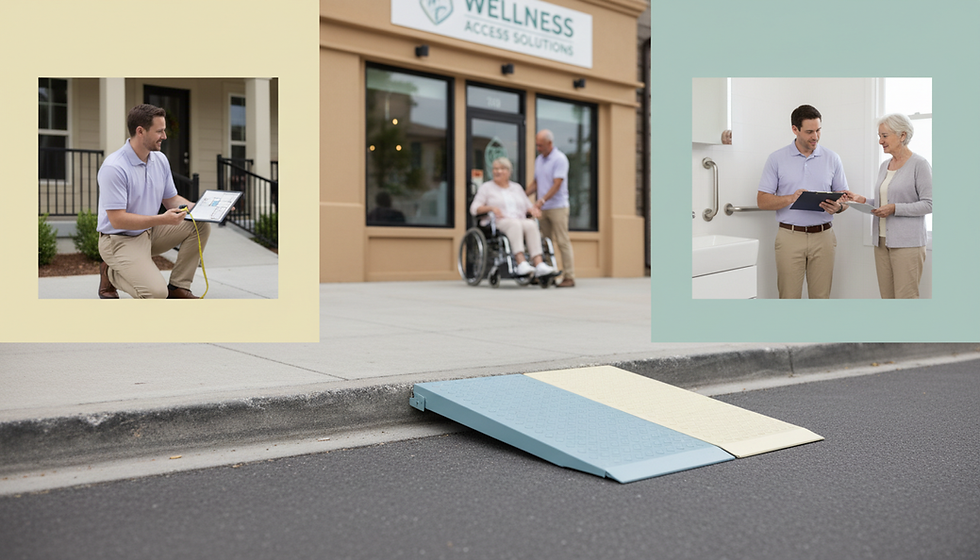
Rubber ramp on sidewalk providing safe access in wet conditions
Installation Tips for Rubber Ramps
Proper installation ensures that rubber ramps function effectively and safely. Here are some actionable recommendations:
Measure the threshold height accurately to select the correct ramp size.
Clean the surface thoroughly before placing the ramp to ensure good adhesion.
Use adhesive strips or non-slip backing to prevent movement.
Check local building codes to ensure compliance with accessibility standards.
Inspect the ramp regularly for wear and tear, replacing it if necessary.
Enhancing Accessibility with Rubber Threshold Ramps
Incorporating rubber threshold ramps into your space is a smart way to improve accessibility and safety. Their durability, ease of installation, and safety features make them a practical choice for many environments. Whether you are upgrading your home or outfitting a commercial property, rubber ramps provide a reliable solution that benefits everyone.
By choosing rubber ramps, you invest in a product that supports independence and inclusivity, making your space welcoming to all.
This overview highlights the many advantages of rubber ramps and offers practical advice for their use. With thoughtful implementation, these ramps can transform challenging thresholds into smooth, safe transitions.


Comments