
Simple Accessibility Improvements for Homes

Making a home accessible is essential for ensuring comfort, safety, and independence for everyone, especially those with mobility challenges or disabilities. Simple accessibility improvements can transform a living space, making daily activities easier and more enjoyable. This article explores practical and affordable ways to enhance home accessibility, focusing on effective accessibility improvement services that can be implemented with minimal disruption.
Understanding Accessibility Improvement Services for Your Home
Accessibility improvement services focus on modifying homes to accommodate the needs of individuals with physical limitations. These services range from minor adjustments to more comprehensive renovations. The goal is to create an environment that supports mobility, reduces hazards, and promotes independence.
Some common accessibility improvement services include:
Installing grab bars in bathrooms
Widening doorways for wheelchair access
Adding ramps or stairlifts
Improving lighting for better visibility
Adjusting countertop heights in kitchens
By addressing these areas, homeowners can significantly improve the functionality and safety of their living spaces.

Practical Accessibility Improvement Services to Consider
When planning accessibility improvements, it’s important to prioritize changes that offer the most benefit with the least complexity. Here are some practical services that can be implemented quickly and effectively:
1. Grab Bars and Handrails
Installing grab bars in key areas such as bathrooms and stairways provides support and stability. These bars help prevent falls and make it easier to move around safely.
Place grab bars near toilets, showers, and bathtubs.
Use sturdy materials like stainless steel for durability.
Ensure bars are securely anchored to wall studs.
2. Ramps and Thresholds
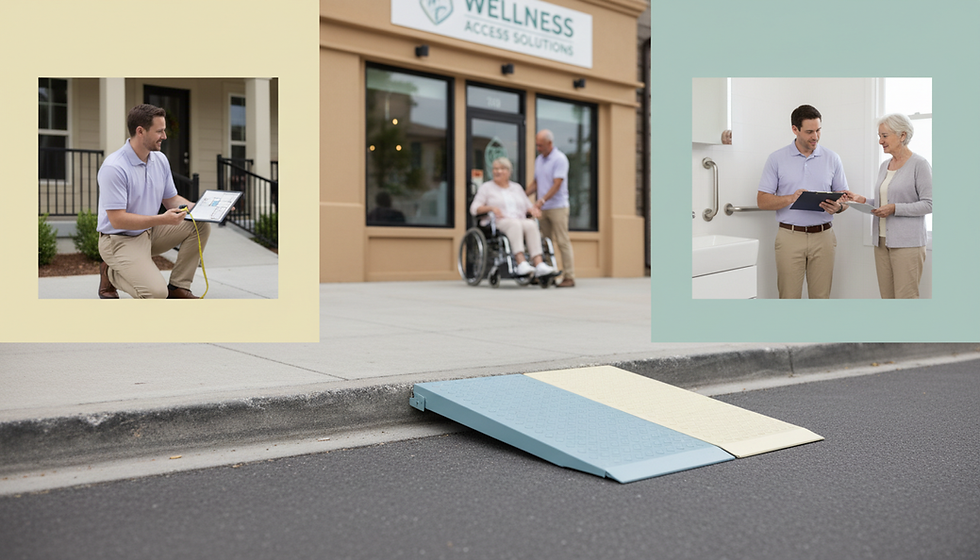
Replacing steps with ramps or smoothing out thresholds can make entrances and transitions between rooms wheelchair-friendly.
Use non-slip materials for ramp surfaces.
Keep ramps at a gentle incline for safety.
Remove or reduce door thresholds that create tripping hazards.
3. Doorway Widening
Standard doorways may be too narrow for wheelchairs or walkers. Widening doorways improves accessibility without major remodeling.
Aim for door widths of at least 32 inches.
Consider pocket doors to save space.
Consult professionals to ensure structural integrity.
4. Improved Lighting
Good lighting reduces the risk of accidents and helps those with vision impairments navigate their homes.
Install bright, energy-efficient LED lights.
Use motion sensors in hallways and bathrooms.
Add nightlights in bedrooms and staircases.
5. Lever-Style Handles
Replacing traditional doorknobs with lever-style handles makes opening doors easier for people with limited hand strength.
Choose handles that are easy to grip and operate.
Match handles with existing home decor for a seamless look.
These accessibility improvement services can be tailored to fit any home and budget, making them excellent starting points for enhancing accessibility.

Choosing the Right Materials and Products for Accessibility
Selecting the right materials and products is crucial for effective accessibility improvements. Durable, safe, and easy-to-use items ensure long-term benefits and reduce maintenance needs.
Flooring Options
Flooring should be slip-resistant and smooth to allow easy movement of wheelchairs or walkers.
Consider vinyl, rubber, or low-pile carpet.
Avoid thick rugs or mats that can cause tripping.
Use contrasting colors to highlight edges and steps.
Bathroom Fixtures
Accessible bathroom fixtures improve comfort and safety.
Install walk-in showers with seats.
Use handheld showerheads for flexibility.
Choose toilets with higher seats for easier transfers.
Kitchen Modifications
Simple kitchen changes can make cooking and cleaning more accessible.
Lower countertops and sinks.
Use pull-out shelves and drawers.
Install easy-to-reach appliances with front controls.
Smart Home Technology
Incorporating smart technology can enhance accessibility.
Voice-activated lighting and thermostats.
Automated door locks and window shades.
Emergency alert systems.
By carefully selecting materials and products, homeowners can create a safer and more functional environment.

How to Plan and Implement Accessibility Improvements
Planning is key to successful accessibility improvements. Here are steps to guide the process:
Assess Needs
Identify specific challenges and areas that require modification.
Set Priorities
Focus on changes that will have the greatest impact on safety and independence.
Consult Professionals
Accessibility improvement services often require expert advice to ensure compliance with standards and building codes.
Budget Wisely
Determine costs and explore funding options or grants for home modifications.
Choose Reliable Contractors
Work with experienced professionals who specialize in accessibility improvements.
Implement Changes Gradually
Start with simple modifications and plan for larger projects as needed.
Test and Adjust
After installation, test the changes to ensure they meet the user’s needs and make adjustments if necessary.
For those seeking expert assistance, companies like medaccessinc offer comprehensive accessibility improvement services tailored to individual needs.
Enhancing Home Accessibility for Long-Term Comfort and Safety
Improving home accessibility is not just about meeting immediate needs but also about planning for the future. As people age or face changing mobility, having an adaptable and safe home environment becomes increasingly important.
Regularly review and update accessibility features.
Educate family members about the use of new modifications.
Maintain equipment and fixtures to ensure ongoing safety.
Simple accessibility improvements can significantly enhance quality of life, providing peace of mind and greater independence.
By implementing these straightforward accessibility improvement services, homeowners can create a welcoming and safe environment for everyone. Whether it’s installing grab bars, widening doorways, or upgrading lighting, each change contributes to a more accessible and comfortable home. For professional guidance and tailored solutions, consider reaching out to experts who specialize in home accessibility modifications.


Comments